
Sep 5, 2026industry information
Pet Feeding Mat Market Prospects Analysis
Developing customized various pet toys, with excellent quality, competitive prices and personalized customization services, these are your ideal choices.
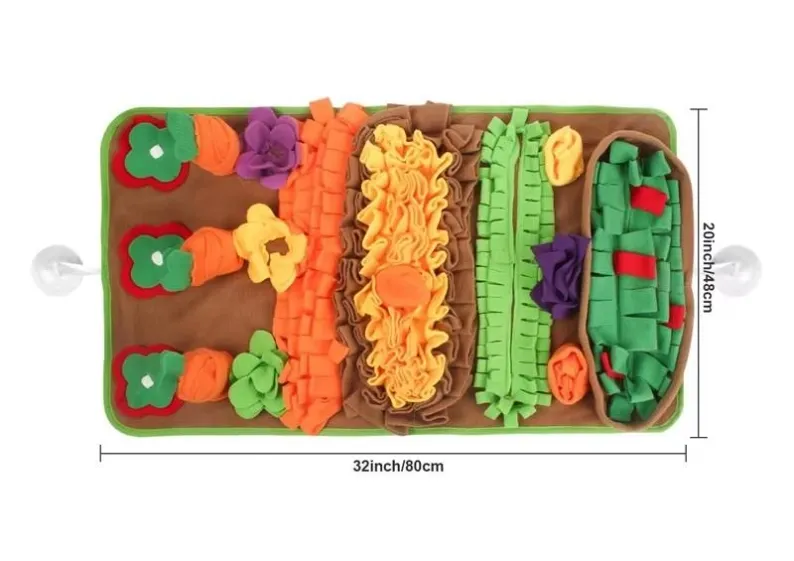
Pet Feeding Mat Market Prospects Analysis
1. Market Size & Growth
- Lick mat segment: The global lick mat market was valued at approximately USD 220 million in 2025 and is projected to reach USD 383 million by 2032, growing at a CAGR of around 8.25% (estimates from different research firms range between 5% and 8%).
- The bigger picture: Feeding mats fall under the broader "pet feeder toys" category (puzzle feeders, slow feeder bowls, lick mats, snuffle mats, etc.). North America alone was worth USD 455 million in 2025, with the U.S. accounting for USD 355 million.
- Strong online growth: Search volume for lick mats has grown approximately 91% over the past five years, and e-commerce is the largest sales channel for this category — a major advantage for independent online stores (DTC sites).
The chart above shows the overall growth trajectory of the lick mat market from 2020 to 2032. Even after the initial boom in recent years, the market still has room for steady, moderate-to-high growth.
2. Key Market Drivers
- Pet humanization: About 88% of pet owners consider their pets family members and are willing to pay for their "mental well-being."
- Surging demand for anxiety management: The largest application scenario for lick mats is "anxiety and stress relief" (about 43.8% of use cases), such as separation anxiety, or calming pets during thunderstorms, baths, and nail trimming.
- Slow-feeding health awareness: Slow eating aids digestion, prevents bloating, and supports weight control — these are high-frequency keywords in purchase decisions.
- Large pet ownership base: Around 67% of U.S. households own pets; China's pet feeder toy market reached approximately USD 105 million in 2025, and Asia-Pacific is the fastest-growing region.
3. Consumer Pain Points = Product Opportunities
Amazon review data shows that negative feedback is concentrated in the following areas:
Pain Point | Negative Review Share | Opportunity |
|---|---|---|
Not durable, tears easily | ~15.9% | Reinforced materials, chew-resistant design |
Too small | ~12.4% | Larger sizes / multiple size options |
Weak suction | Common | Strengthened suction bases |
Not suitable for short-snouted breeds / strong chewers | Common | Breed-specific designs |
Whoever solves these problems first captures the differentiation dividend.
4. Product & Channel Trends
- Materials: Food-grade silicone holds over 65% of the market share; BPA-free and FDA/LFGB compliance are baseline requirements, while eco-friendly and sustainable materials are emerging selling points.
- Seasonality: Search volume peaks in November (holiday season) and August, so inventory planning and ad campaigns should be scheduled ahead of these periods.
- Category fusion: 2-in-1 lick mat + slow feeder combinations, snuffle mat + training pad bundles, and mini or themed designs are currently the main directions promoted by leading brands (e.g., SodaPup, LickiMat, West Paw).
- Price range: Mid-range products sell best, but premium products are growing fastest (CAGR of about 10.7%), indicating room for brand premium pricing.
5. Conclusion & Recommendations
Overall assessment: This is a moderately sized but steadily growing market with low entry barriers and genuine consumer demand — well suited for independent e-commerce stores. Specific recommendations:
- Lead with the dual selling points of "anxiety relief + slow feeding" — these generate the strongest search traffic and conversion.
- Differentiate on durability and size — directly address the biggest complaint (15.9% of negative reviews) through product improvements and highlight them on product pages.
- Create bundle sets (lick mat + snuffle mat + snuffle ball) to increase average order value and profit margins, which also aligns with your existing product line.
- Focus on the North American market (43.6% share) while positioning for Asia-Pacific growth opportunities.
- Stock up and launch campaigns 1–2 months before peak season to capture the November and August traffic spikes.